
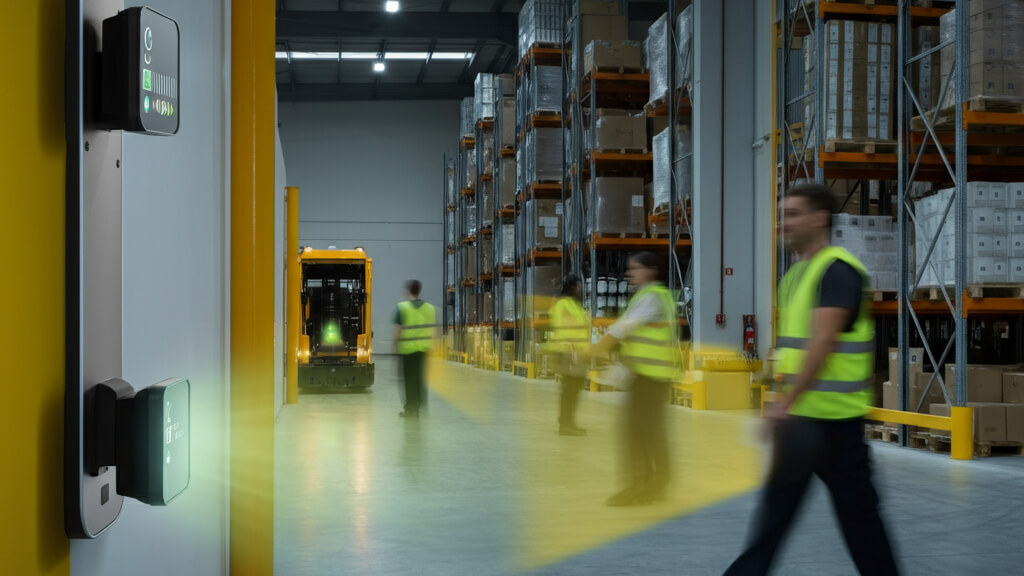
Warehouses are dynamic and often hazardous environments where the seamless flow of goods is paramount. However, this constant activity, involving heavy machinery and fast-moving vehicles like forklifts, creates significant risks for pedestrian workers. Ensuring the safety of every individual on the warehouse floor is a critical responsibility for any business owner or manager. While traditional safety measures like high-visibility clothing and designated walkways are essential, technology offers a more advanced layer of protection.
Pedestrian alert systems are specifically designed to prevent collisions between vehicles and people in these busy settings. By providing timely warnings to both drivers and pedestrians, these systems can significantly reduce the likelihood of accidents, injuries, and even fatalities. Investing in this technology is not just about compliance; it’s a proactive step towards creating a safer, more efficient, and more productive workplace.
How Do Pedestrian Alert Systems Work?
Pedestrian alert systems use various technologies to create a virtual safety net around vehicles and personnel. The most common methods include:
- Radio-Frequency Identification (RFID): Pedestrians wear tags that transmit signals to sensors installed on vehicles. When a tagged person enters a vehicle’s detection zone, an alarm is triggered for both the driver and the pedestrian.
- Magnetic Fields: Systems like HIT-NOT® generate a magnetic field around moving machinery. When a pedestrian wearing a compatible device enters this field, it triggers audible and visual alarms.
- AI and Computer Vision: Advanced systems use cameras and artificial intelligence to distinguish people from other objects. These “smart” systems can detect pedestrians in a vehicle’s path and alert the driver, sometimes even automatically slowing the vehicle down.
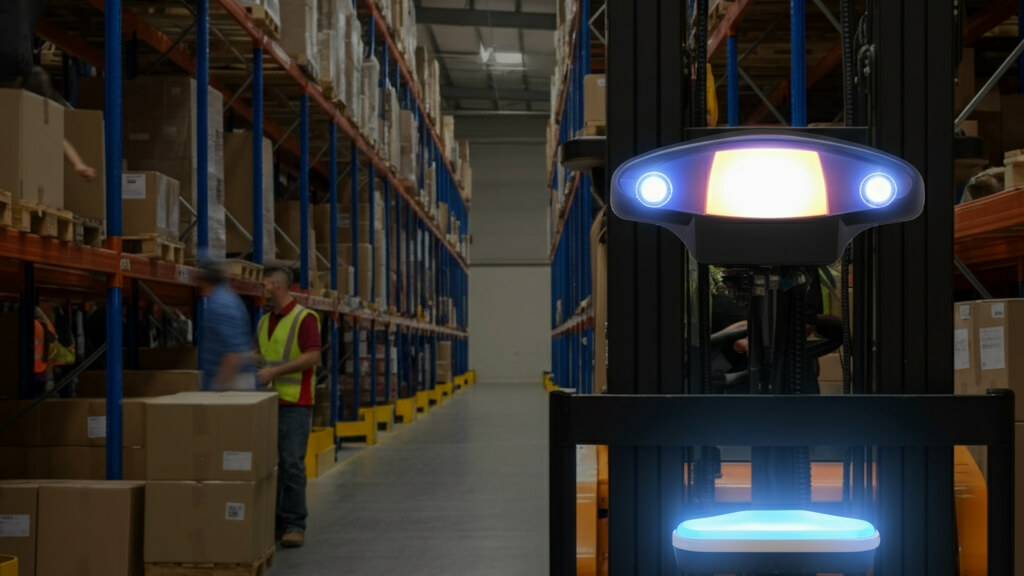
These systems provide multi-faceted warnings, from flashing lights and audible alarms on the vehicle to vibrating tags worn by employees, ensuring that alerts are noticed even in noisy warehouse environments.
The Benefits of Advanced Safety Systems
Integrating a pedestrian alert system into your warehouse operations delivers substantial benefits beyond accident prevention. Key advantages include:
- Reduced Risk of Injury: The primary benefit is a dramatic reduction in collisions, protecting your most valuable asset—your team.
- Lowered Operational Costs: Fewer accidents mean less equipment downtime, reduced repair costs, and lower insurance premiums.
- Enhanced Worker Confidence: When employees feel safe, morale and productivity improve. A secure environment fosters a more focused and efficient workforce.
- Improved Compliance: Implementing advanced safety technology demonstrates a strong commitment to workplace health and safety regulations.
Choosing the Right System for Your Warehouse
The ideal pedestrian alert system depends on your specific operational needs. When selecting a system, consider the layout of your warehouse, the types of vehicles in use, the level of ambient noise, and existing safety protocols.
Leading solutions offered by specialists like Ezetech Solutions include a range of technologies tailored for different industries, from warehousing and manufacturing to mining. Systems such as HIT-NOT®, Seen Safety, and AI-powered camera systems provide robust options that can be customised to fit the unique challenges of your environment. It is crucial to partner with an experienced provider who can assess your site and recommend the most effective solution.
Creating a Safer Future with Technology
While training and procedural controls remain fundamental to warehouse safety, integrating technology like pedestrian alert systems offers a new level of protection. By providing reliable, real-time warnings, these systems empower drivers and pedestrians to avoid collisions before they happen. Embracing this technology is a vital step in safeguarding your workforce and building a more resilient, productive operation.