
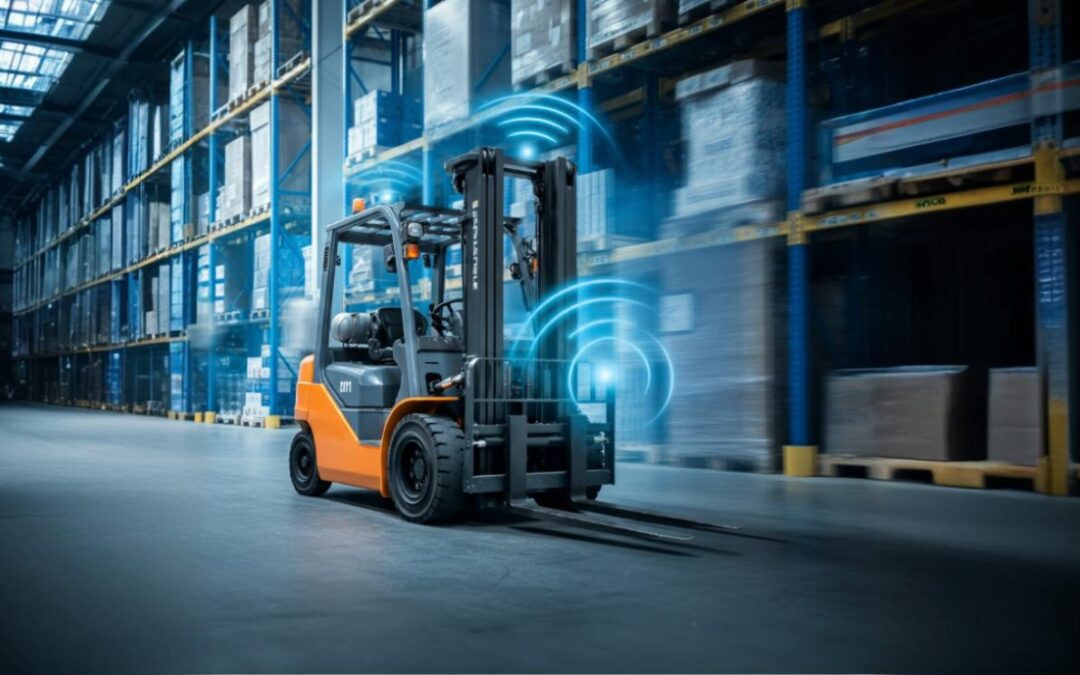
Workplace accidents involving forklifts remain one of the leading causes of injury and fatality in industrial environments across Australia. When heavy machinery operates in close proximity to pedestrians, the risk of collision increases exponentially. Forklift proximity sensor offer a proven solution to mitigate these dangers, protecting both workers and assets while ensuring compliance with national safety standards.
How Forklift Proximity Sensors Work
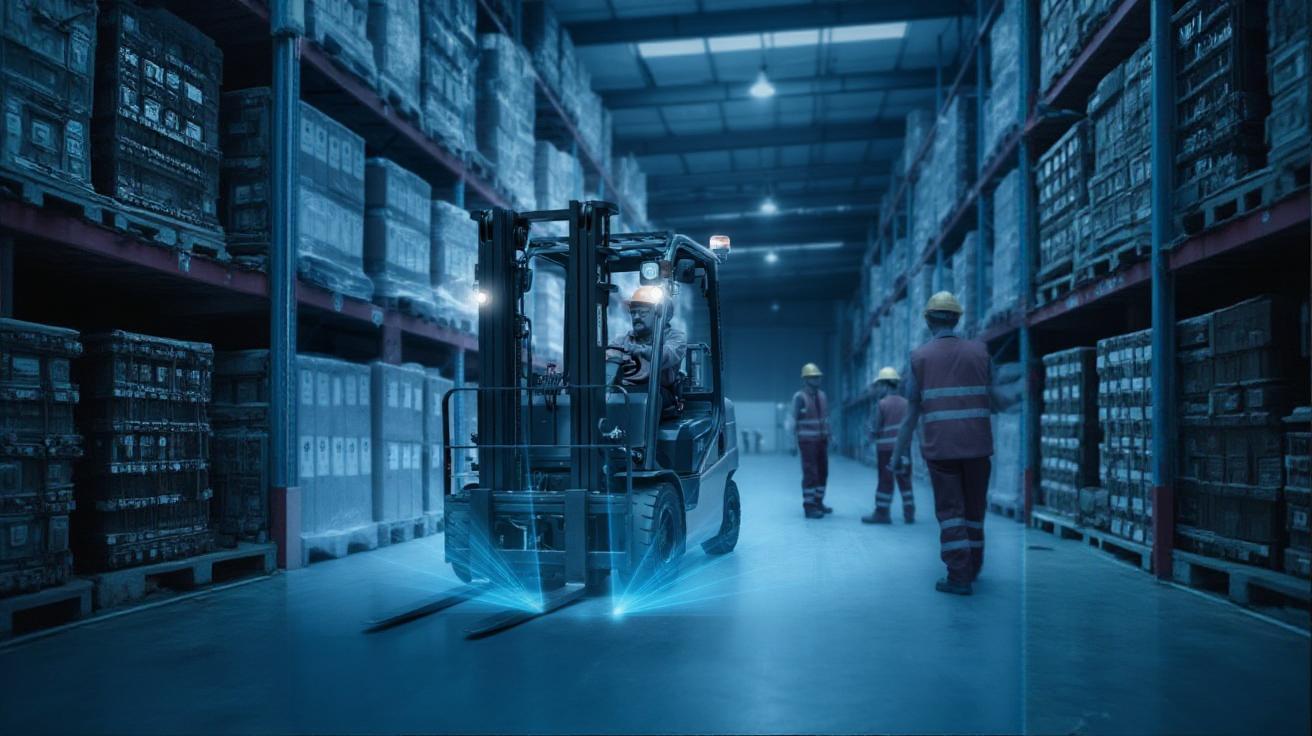
Forklift proximity sensors utilize advanced detection technologies to identify potential hazards before collisions occur. These systems typically employ magnetic tagging, infrared sensors, or AI-powered cameras to monitor the surrounding environment in real time. When a pedestrian or object enters a predefined danger zone, the system triggers immediate alerts—audible alarms, visual warnings, or automatic speed reduction—giving operators critical seconds to respond.
Modern systems integrate seamlessly with existing forklift infrastructure, requiring minimal modification to current equipment. The technology continuously monitors blind spots and high-traffic areas, providing comprehensive coverage that manual observation cannot match.
Benefits of Using Forklift Proximity Sensors
Accident Prevention: The primary advantage of proximity sensors lies in their ability to detect pedestrians and obstacles before impact occurs. This proactive approach significantly reduces the likelihood of workplace injuries.
Operational Efficiency: By preventing collisions, businesses avoid costly downtime associated with accident investigations, equipment repairs, and regulatory compliance reviews. Operations continue smoothly, maintaining productivity levels.
Reduced Insurance Costs: Many insurers recognise the value of proactive safety measures. Implementing proximity sensor systems can lead to lower premiums and reduced liability exposure.
Enhanced Awareness: Sensors provide operators with information beyond their natural field of vision, particularly in blind spots and reversing situations where visibility is inherently limited.
Industries and Applications
Proximity sensor technology proves invaluable across multiple sectors. Warehousing and distribution centres benefit from reduced vehicle-pedestrian incidents in busy loading docks. Mining and quarrying operations utilise these systems in low-visibility conditions where dust and limited lighting create additional hazards. Construction sites deploy proximity sensors to protect workers in dynamic environments where multiple vehicles operate simultaneously. Manufacturing facilities integrate the technology into assembly lines where forklifts transport materials alongside production staff.
Compliance and Safety Standards
Australian workplace safety regulations, particularly AS2359, establish clear requirements for forklift operation and pedestrian safety. Proximity sensor systems help organisations meet these obligations by providing documented evidence of due diligence. When incidents do occur, the presence of advanced safety systems demonstrates a commitment to worker protection—a factor regulatory bodies consider during investigations.
Beyond compliance, these systems foster a culture of safety within organisations. Workers feel more secure knowing technology actively monitors their environment, while management gains confidence in their safety protocols.
Implementation and Integration
Installing forklift proximity sensors requires professional assessment of site-specific risks and operational patterns. Experienced providers conduct thorough consultations to identify high-risk zones, traffic flow patterns, and integration requirements. The installation process typically involves mounting detection equipment on vehicles, establishing warning systems, and configuring sensitivity parameters to match site conditions.
Training forms an essential component of successful implementation. Operators must understand system capabilities, alert meanings, and appropriate responses. Regular maintenance ensures sensors continue functioning at optimal levels, with periodic testing validating system accuracy.
Protect Your Workforce Today
The consequences of forklift accidents extend far beyond immediate physical harm. They impact team morale, operational continuity, and organisational reputation. Proximity sensor technology offers a practical, proven method to prevent these incidents before they occur.
Organisations serious about workplace safety cannot afford to overlook this essential protective measure. Professional consultation ensures systems match specific operational needs, providing maximum protection where it matters most. Contact qualified safety system providers to assess your site requirements and implement solutions tailored to your industry demands.