
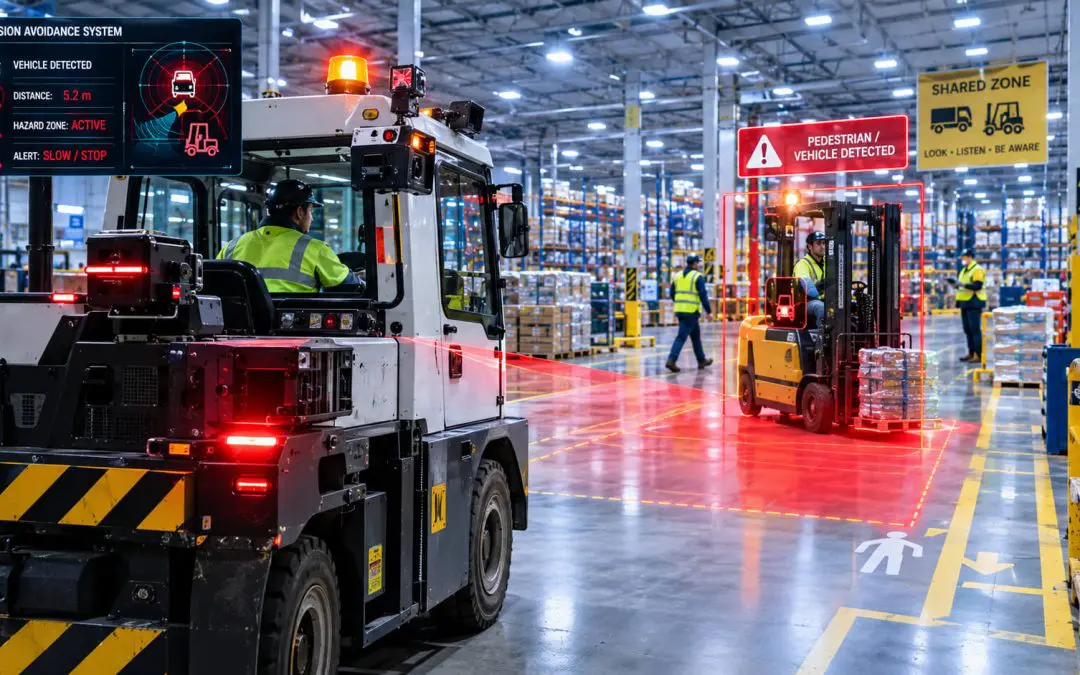
An anti-collision system can help reduce risks in busy workplaces where vehicles, machinery, and pedestrians operate in proximity. Modern detection and warning technologies can help operators identify potential hazards and respond before an incident occurs. Understanding how these systems work together can support safer and more proactive operations.
These systems are designed to provide operators with greater awareness of their surroundings while they carry out daily tasks. By combining real-time detection with clear warning alerts, they can support quicker responses to changing conditions and help reduce the likelihood of collisions in demanding work environments.
Detecting Potential Hazards
An anti-collision system uses sensors and detection technology to monitor the surrounding environment. It can identify nearby vehicles, equipment, or obstacles and provide operators with information about potential collision risks. This helps operators stay aware of changing conditions and respond appropriately.
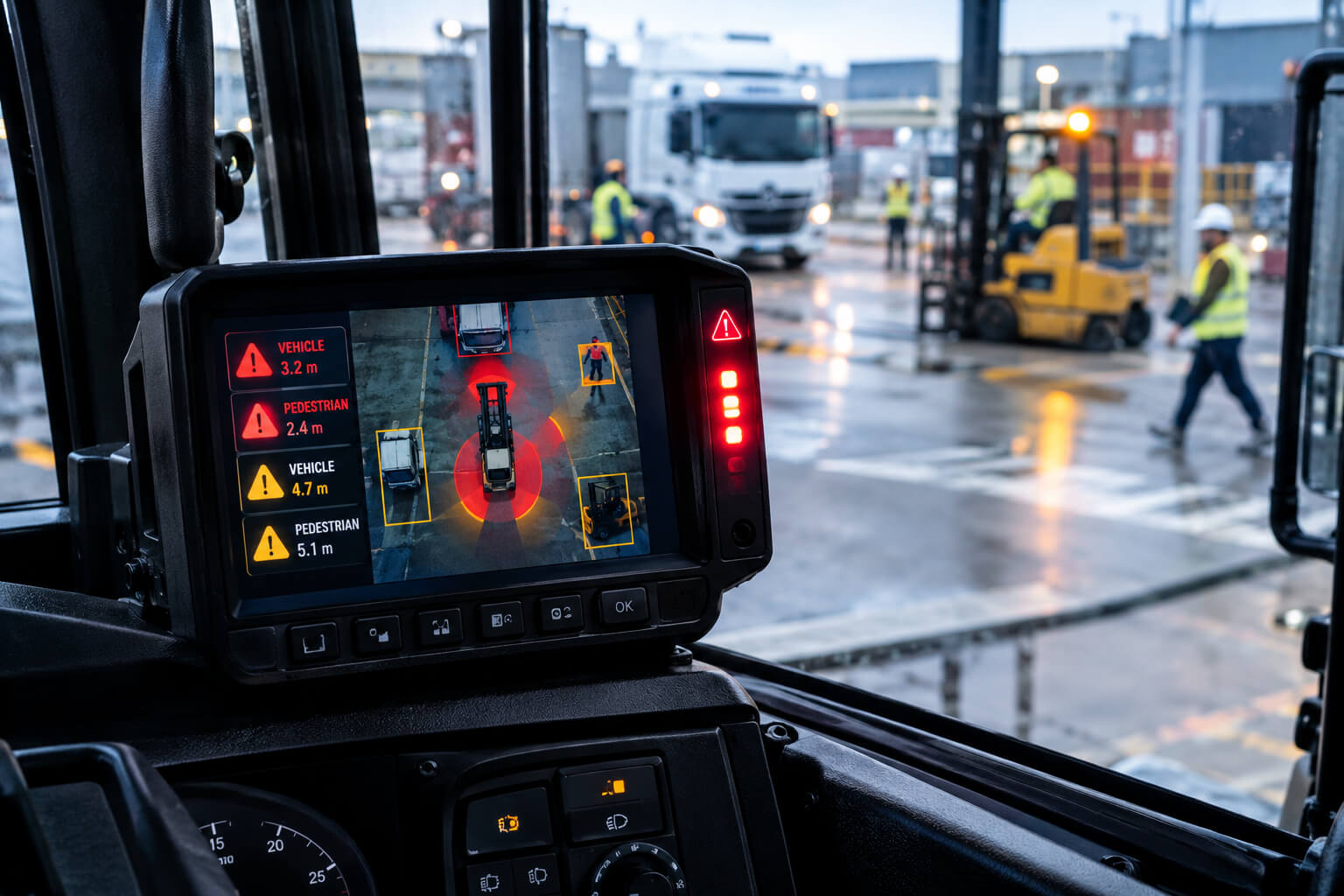
When a hazard is detected, the system can trigger visual, audible, or other alerts. These warnings give operators additional time to assess the situation and take appropriate action. They can help improve situational awareness and support safer responses.
This added awareness can be particularly valuable in areas with heavy traffic, limited visibility, or multiple moving vehicles.
How an Anti-Collision Warning System Helps
Alerts can highlight vehicles or objects entering danger zones, giving operators more time to respond. Combined with detection technology, they can support safety procedures and traffic management.
Take the Next Step Towards Safer Operations
With proper training and procedures, collision detection technology can improve hazard awareness and help reduce preventable workplace collisions. Contact us today to learn how the right system can support safer operations.